Why we do not put prices on this page
Two chimneys that look identical from the street can need completely different work, and the only honest price comes after someone has been on the roof with a camera. What we can tell you is what each repair involves and what moves the price — and that the free inspection ends with the price of each item in writing, before you decide anything. See how we price.
The repairs, cheapest to most expensive
Chimney cap. A stainless cap sized to the flue. The smallest repair on the list and the one that prevents the most damage. Price moves with the size of the flue and whether it is a single- or multi-flue cap.
Crown repair or rebuild. The concrete top of the chimney. Small cracks can be sealed; a crumbling or undersized crown is removed and a new one formed with a slope and an overhang. Price moves with the size of the chimney top and how much of the old crown has to come off.
Flashing. New step and counter flashing where the chimney meets the roof, set into the mortar joints. Price moves with the size of the chimney, the roof pitch and the roofing material. Tarring over the old flashing is cheaper and does not last; we do not quote it.
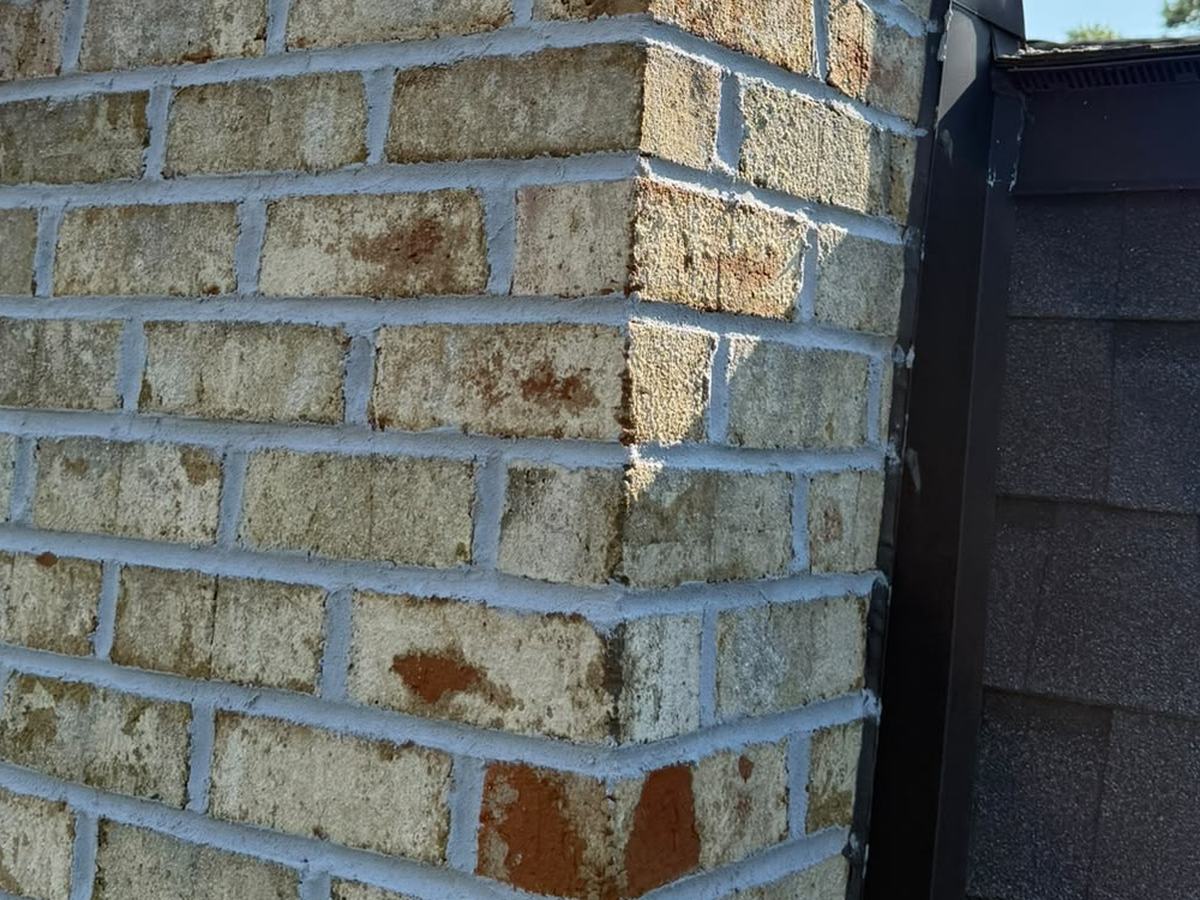
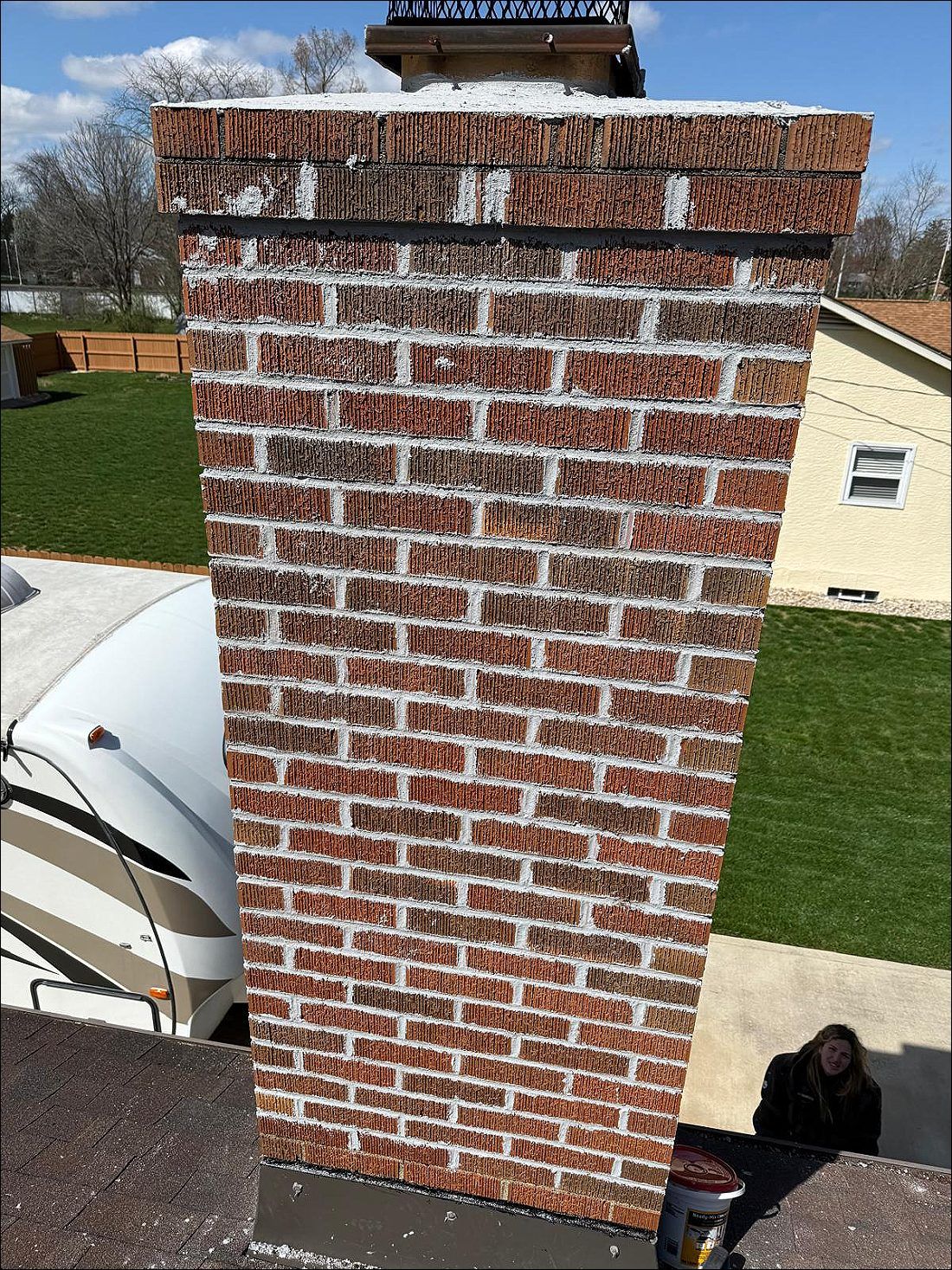
Repointing (tuckpointing). Cutting out the weathered mortar and refilling the joints. Priced by the area of brick above the roofline and how deep the joints have to be cut. See a Toronto tuckpointing job.
Brick replacement. Spalled or cracked bricks cut out and replaced with matching brick. Priced by the number of bricks and how hard the match is; Toronto brick from the 1920s to the 1960s often has to be sourced from salvage.
Stainless liner. A new sealed flue inside the old chimney. Price moves with the height of the chimney, the diameter, insulation, and whether the flue has offsets. See chimney liners.
Partial rebuild. The chimney taken down to sound brick — usually to the roofline — and rebuilt with new brick, crown and cap. Price moves with the height and size of the chimney and the brick match. This is the repair most often quoted when it is not needed, and the one most often needed when a cheaper quote was accepted years earlier.
What pushes any quote up
- Height and access. A chimney on a three-storey house, or on a steep roof, costs more to work on than one on a bungalow. Scaffolding or a lift, if needed, is a line of its own.
- Matching brick. New brick is cheap; brick that matches a 1930s house is not, and a chimney that does not match the house costs you at resale.
- Two flues. Caps, liners and sometimes crowns are priced per flue.
- Water damage that has spread. A leak that has reached the roof deck or the attic framing is a roofing or carpentry repair on top of the chimney repair.
- Season. Mortar and concrete need above-freezing temperatures to cure. Masonry work is a spring-to-fall job; a cap or a liner can be done in winter.
How to read a quote
A fair chimney quote has four things in it. Photos of the problem, taken from the roof — not a description of it. A line for each repair, so you can see what the cap costs and what the crown costs, and decide separately. The materials: stainless or galvanized, the type of mortar, the brick. And the price in writing before any work starts, with a warranty on materials and labour.
Be wary of a quote with one total and no photos, of "we found this while we were up there" repairs added during a sweep, and of anyone who says a rebuild is urgent without showing you why. Take the photos and the itemized quote to a second company if you want a second opinion; a fair quote survives that.
Repair or rebuild?
Repair when the brick is sound and the problems are in the mortar, the crown, the cap or the flashing — which is most chimneys. Rebuild when the brick itself has failed through the structure: spalling on every face, a lean, bricks loose in the hand. The inspection photographs the chimney from the roof and tells you which it is, and the price for each option in writing. See a stone chimney we restored rather than rebuilt.