What a chimney cap does
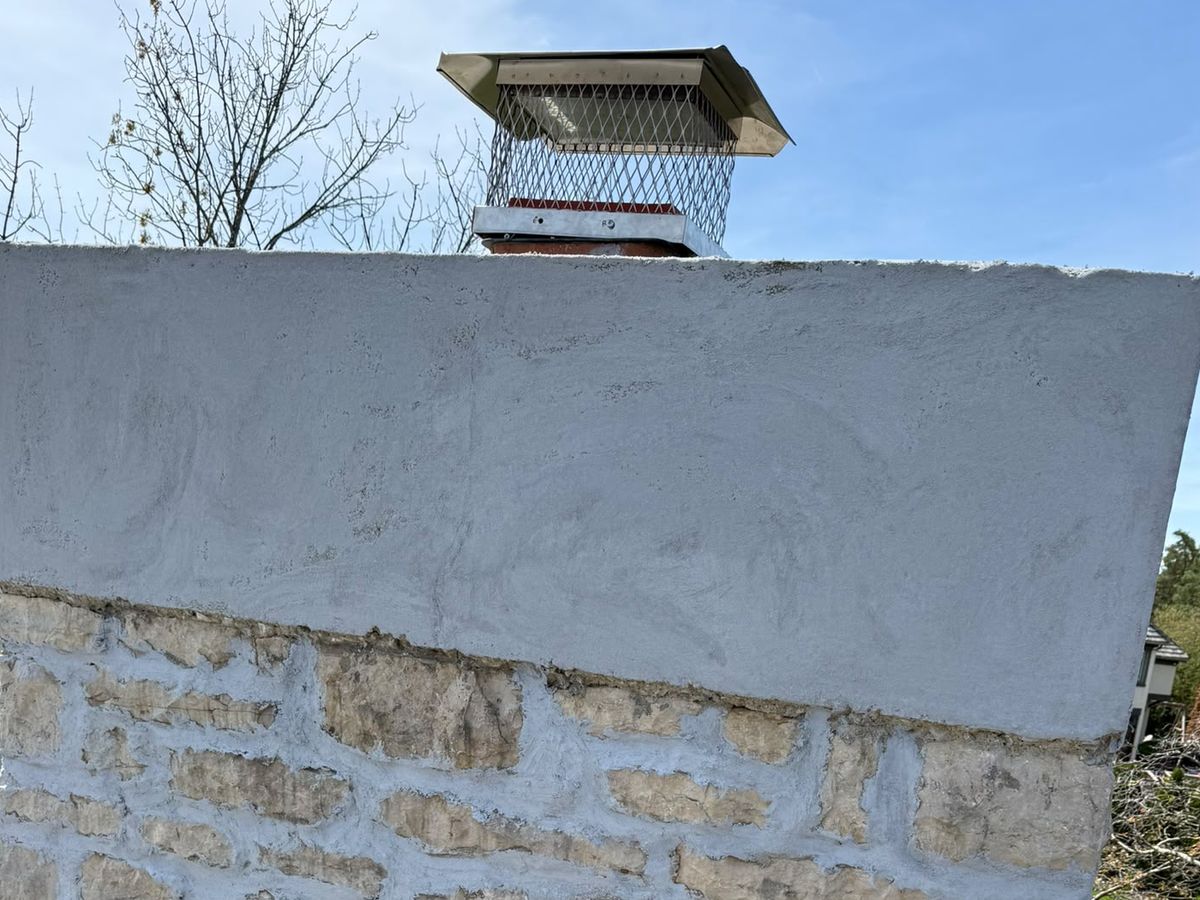
A cap sits on top of the flue — the clay or metal pipe that runs up the middle of the chimney — and does three things at once. The lid keeps rain and snow from falling straight down the flue. The mesh screen around the sides keeps birds, squirrels and raccoons out. And the whole thing acts as a spark arrestor, stopping embers from landing on the roof.
It is not decoration, and it is not optional on a chimney that is used. An open flue is a pipe, open to the sky, that ends in your living room.
What goes wrong without one
- Water in the flue. Rain and melting snow run down the flue tiles and into the smoke chamber and firebox. Over a few winters the water cracks the tiles, rusts the damper and soaks the masonry — and a wet flue mixed with creosote is where the musty smell after rain comes from.
- Animals. Raccoons and squirrels nest on the smoke shelf; birds nest in the flue. A nest blocks the chimney, and a blocked chimney sends smoke — and carbon monoxide — back into the house. Removing a nest is a separate job, and it is not a pleasant one.
- Debris. Leaves and twigs collect on the smoke shelf, hold moisture, and burn when the fire is lit.
- Downdrafts. On a windy day, an open flue lets wind push straight down into the firebox. A cap breaks the wind and helps the chimney draw.
Galvanized or stainless?
Galvanized steel caps are cheaper and rust. In Toronto's weather a galvanized cap usually shows rust within a few years, and the rust runs down the chimney and stains the brick or the crown. Then the cap is replaced, and the staining stays.
A stainless steel cap costs more once and does not rust. On a chimney you intend to keep, it is the only one worth fitting. Copper caps exist for homes where the look matters; they last as long as stainless and cost more.
How a cap is sized and fitted
A cap has to match the flue. For a single clay flue tile, the cap clamps to the outside of the tile that sticks up above the crown — so the tile has to be sound and high enough to clamp to. A chimney with two flues takes either two caps or one multi-flue cap that bolts to the crown and covers both.
Round metal liners take a cap that fits the liner's own collar. A cap that is the wrong size is either loose, and blows off in the first storm, or restricts the flue and hurts the draft. We measure the flue on the inspection and fit the cap to it.
When the cap is not the problem
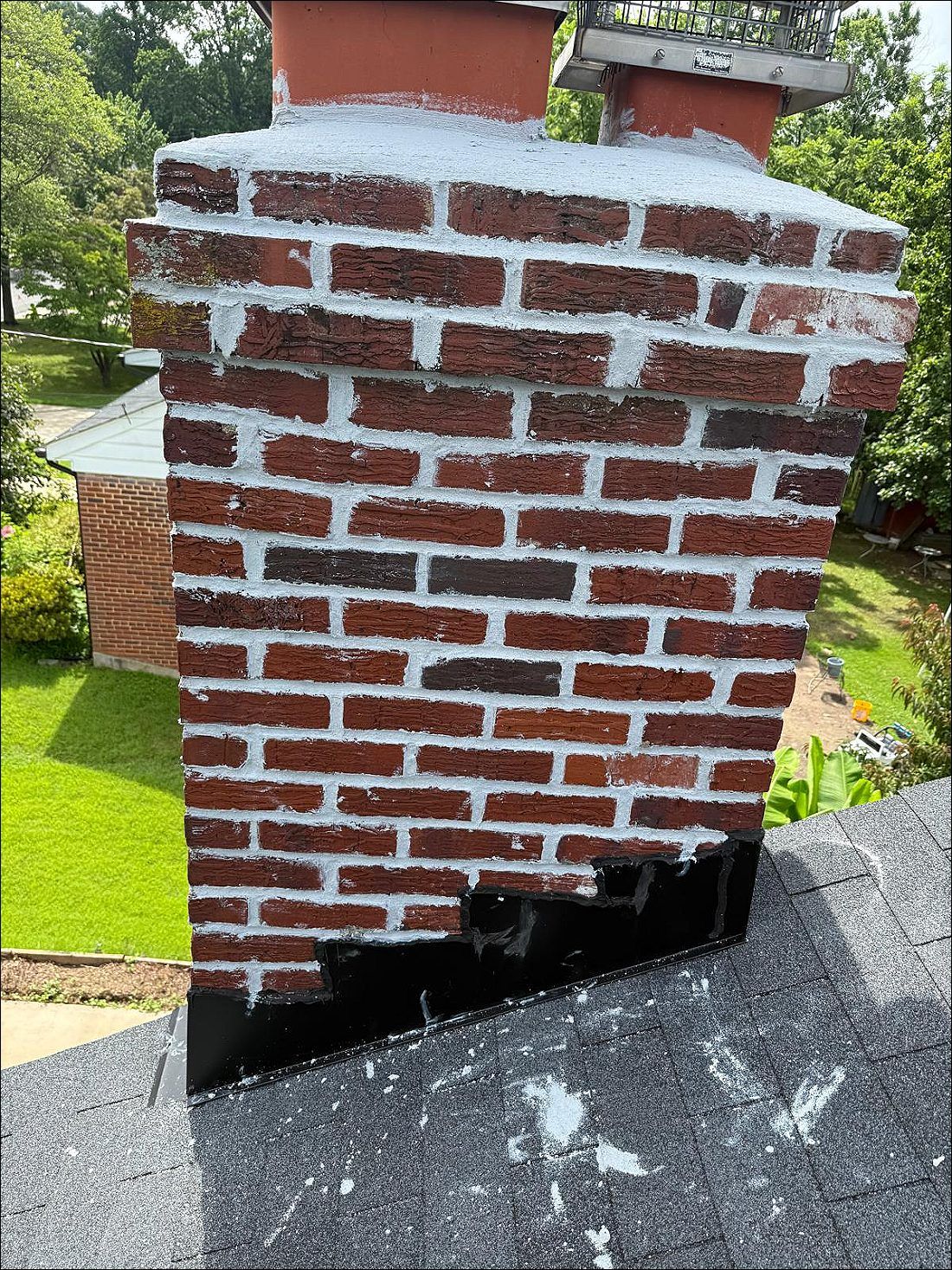
A missing cap is often the first thing a homeowner notices and the first thing a cheap quote offers to fix. It is worth fixing — but a new cap on a chimney with a cracked crown or open joints does not stop the water. The free inspection looks at the whole top of the chimney, from the roof, and photographs it. If the cap is all it needs, that is what we quote.