What a home inspection does and does not cover
A general home inspector will open the damper, shine a light up the flue, note the condition of the visible brick and say something like "recommend further evaluation by a chimney specialist". That is not a criticism — it is the limit of what can be seen without a camera and a ladder. The flue above the smoke shelf, the crown, the flashing from the roof side, and the clearances behind the mantel are all outside a normal home inspection.
If the listing mentions a wood-burning fireplace or stove, assume the chimney has not been properly looked at until someone has run a camera through it.
The checklist
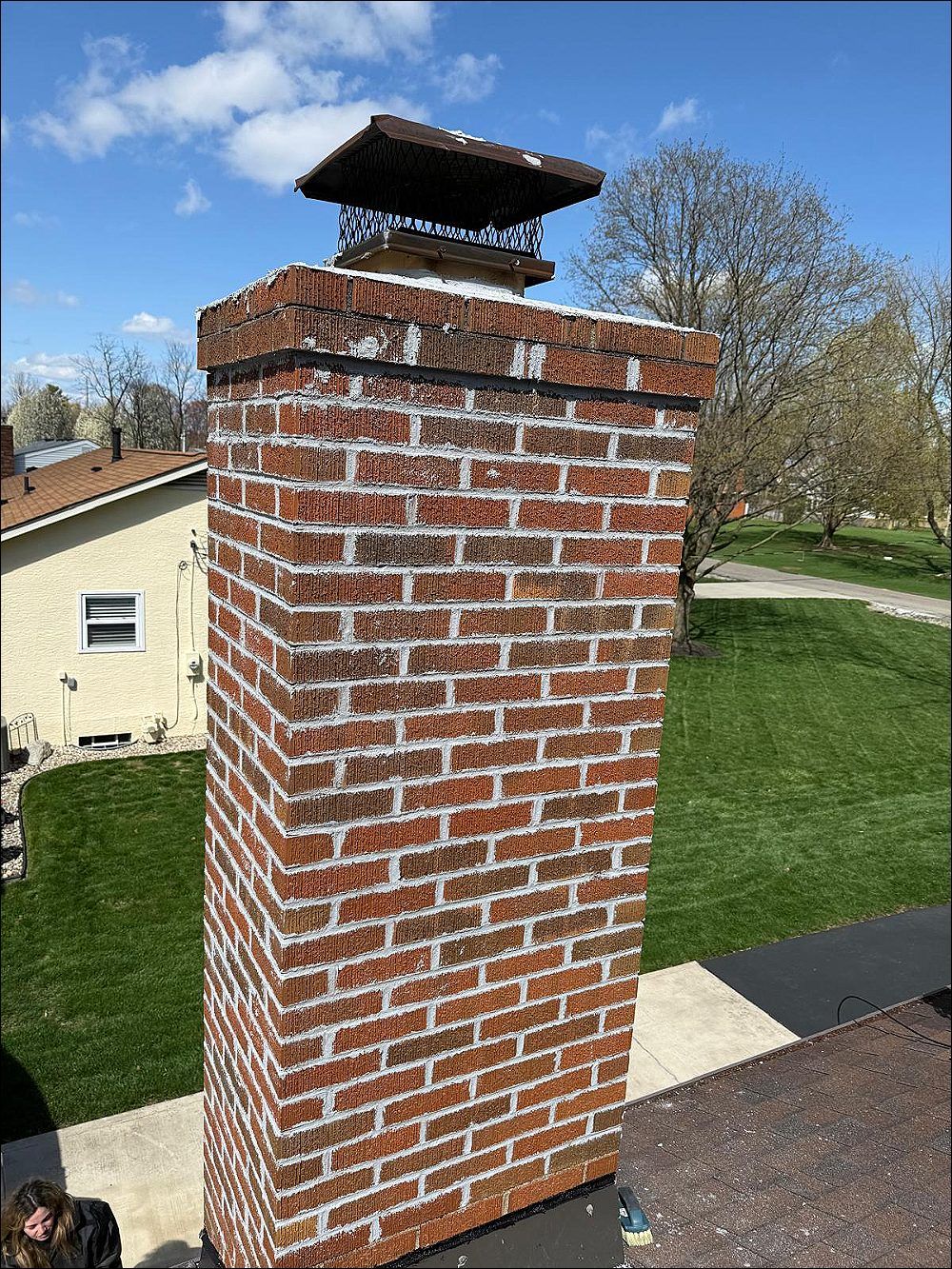
- Cap. Is there one? Is it rusted? A chimney with no cap has had rain in the flue for as long as it has had no cap.
- Crown. From the roof: cracked, crumbling, or sloped the wrong way?
- Brick and joints above the roofline. Open joints, spalled brick faces, white staining, a lean. This is the part of a chimney that fails first and costs the most to rebuild.
- Flashing. Tar-covered flashing is a warning sign: someone has been chasing a leak. Look in the attic, if there is one, for staining around the chimney.
- Liner. Clay tiles intact? Any liner at all? Only a camera answers this. See chimney liners.
- Firebox and damper. Cracked firebrick, a damper that does not seat, rust.
- Clearances. How close the mantel, trim and framing are to the firebox opening. A pre-war house with a later mantel often fails this.
- Stoves and inserts. Was it installed by a certified installer, with a liner, and is there a WETT inspection on file? An insert pushed into a fireplace with no liner is the most common dangerous installation we see.
Ask for the WETT report — and read the date
If the seller has a WETT inspection report, ask for it. Read the date, read the deficiencies list, and check whether the deficiencies were ever corrected. A report from eight years ago that lists "crown cracked, recommend repair" tells you the crown has been cracked for eight years.
If there is no report, your insurer will probably want one before they insure the house anyway. Getting it done before you waive conditions means you negotiate with the information instead of inheriting the repair. See WETT inspections in Ontario.
What the common findings cost — roughly
In order from cheap to expensive, the things a pre-purchase inspection usually finds: a missing cap; a cracked crown; flashing that needs replacing; joints that need repointing; a cracked liner that needs a stainless liner; brick that needs replacing above the roofline; a full rebuild of the chimney above the roof. The first three are modest; the last three are real money, and they are the ones a seller's "it works fine" tends not to mention.
We do not quote prices on a guide page because every chimney is different, but we do give you the price for each finding in writing, so you can take it to your agent and negotiate with it. See how we price.
How a pre-purchase chimney inspection works
Book it for a day you have access to the house — the home inspection day works well. The technician checks the chimney from the roof and from the firebox, runs a camera through the flue, photographs everything, and writes up what he finds with a price for each item. It takes about an hour. The inspection is free; if your insurer or lawyer needs a formal WETT report, say so when you book and we confirm what that involves.
You get the photos the same day. Whether you use them to negotiate, to walk away, or to budget for the first year, you are deciding with the chimney in front of you instead of behind a mantel.